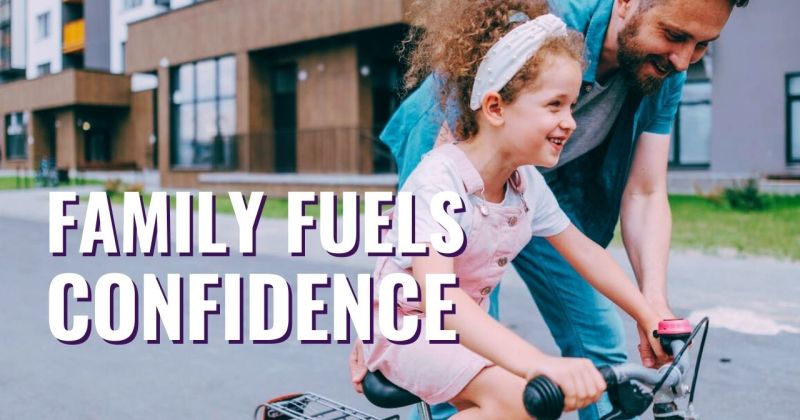

Before a child ever tries something for themselves, they’ve already absorbed invisible messages about what they can and can’t do. These messages shape how they see themselves and what they believe is possible. And those messages should primarily come from family.
In a previous article, I shared the four components families provide children. Today, I want to slow down and zoom in on just one: capability. Because while children are born with potential, families play a key role in helping them believe in it—and build on it.
Families Call It Out
Families are often the first to notice a child’s natural tendencies: a talent for music, a gift with words, or a tenacious drive to figure things out. Naming these qualities helps children recognize what they carry inside, long before they might see it themselves.
But calling it out is just the beginning. Families also pour into children in ways that expand their sense of what’s possible. Here are three powerful ways families boost capability.
1. By Sharing Stories
Children need context to understand the world and their place in it. Parents and grandparents offer that by sharing lived experiences. When children hear stories of risk, resilience, or sacrifice, they learn what’s been possible for others—and what can be possible for them.
I’m a first-generation American. My parents emigrated from the Caribbean, first to England and then to the United States. Growing up, I heard stories of their humble beginnings, the risks they took, and the resilience they showed. Those stories became part of my confidence.
So, when it was time for me to leave New York for college, I didn’t hesitate. Later, as a military spouse moving across the country, I didn’t crumble. Why? Because those family stories taught me:
*I am capable of hard things
*to be open to new places
*and new things can be scary and exciting.
2. By Providing Exposure
Families also shape capability through exposure. Sometimes it’s about values: choosing a certain school, neighborhood, or lifestyle. Other times it’s about nurturing a child’s gifts—enrolling them in piano lessons when they show a natural love for music, or giving them opportunities to build when they can’t stop stacking blocks.
Exposure is powerful because it expands horizons. It says, “Here’s a door you never knew existed. Have a look. What’s on the other side might be perfect for you.”
3. By Setting Expectations
Finally, families boost capability by voicing expectations. Not pressure, but belief.
I’ll never forget when my dad told me, “Any good parent wants their child to do better than them. Otherwise, what’s the point?” That expectation didn’t feel heavy—it felt empowering. It reminded me that I was standing on a foundation my parents had built, and they rooted for me to build higher.
As parents, we can do the same. Expect your children to go further, not to copy you. To live out their unique purpose with your support and belief echoing in their ears.
Why It Matters
Children internalize these invisible messages. If they hear they are a burden, they shrink. If they hear they are capable and supported, they rise.
That’s why it matters so much that we unpack our own childhood experiences. Were we treated as blessings or burdens? Those experiences shape how we show up as moms—but awareness gives us the power to choose differently.
So, let’s be intentional. Let’s share our stories, broaden our children’s exposure, and set expectations that communicate belief. Because when children grow up in that environment, they don’t just dream—they dare.
If this resonates with you, I invite you to join me for Motherhood Unmasked Moments, my weekly newsletter. It’s where I share stories, tips, and strategies to help moms like you navigate family dynamics with clarity and confidence.
I’m rooting for you…

Clip from How Families Boost a Child’s Potential on YouTube.
**The views and opinions expressed should not be taken as medical advice. The content here is for informational purposes only, and because each person is so unique, please consult your health care professional for any health questions.
 Vanessa A. Harris