
The Asthma Cases That Wouldn’t Improve
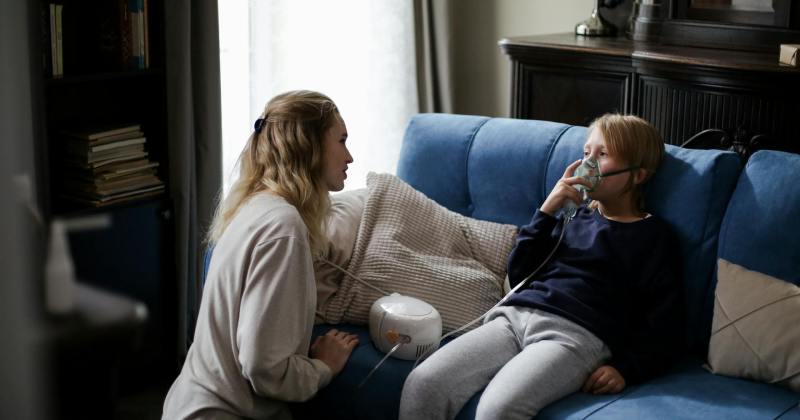
When I worked in Newark, New Jersey, I had a lot of asthma patients. It’s probably because of the insane amount of pollution in the Tri-State area, but we had a steady stream of asthma patients. And for most of them, you’d prescribe a nebulizer.
Maybe a pill once a day to keep their symptoms at baseline, and then the nebulizer was for when they had breakthrough symptoms.
We saw some if they suffered from exercise-induced asthma and were particularly active that day or because the smog was ridiculously high.
And some lived in conditions that were filthy with roach droppings, infamous for causing asthma attacks.
When Every Treatment Plan Failed
But there would be several who would be frequent flyers for treatment, even needing to be hospitalized for a couple of days. And it just didn’t matter what drug you switched out, what you switched to, how you changed the regimen, or what you added.
They continued to struggle.
It was the case whether they were in the hood or in the suburbs; it was the same. And it was frustrating because we would try so many regimens, and there’s nothing worse than watching a child gasp for air.
It’s awful to watch a child struggle to breathe.
You see the panic in their eyes, and you’re determined to figure out how to prevent that from happening again.
And I talked to those moms about keeping their homes clean, not leaving food out, asking their landlords to fumigate, dusting their homes, wiping off their shoes well before they enter the house.
I talked to them about always having the inhaler handy. And yes, take those kids out to play because they need to have regular lives. But be ready to give them treatment on the go. And have their nebulizer machine at home in case their child needs a little more intense treatment.
Beyond the Physical Triggers
But it didn’t occur to me to ask them about how people were getting along at home.
To ask Mom if there was an alcoholic living in the home or if she was being abused? Is there a lot of traffic in and out of the home or constant arguing that a child might find unsettling?
I never thought to ask about that because I wasn’t taught that the relationship conditions in the home could be a huge contributor to triggering asthma attacks (and other diseases).
I knew about the environmental triggers and those in the physical living conditions, but I didn’t know that how well a family communicated value and support had anything to do with it.
I do now thanks to recent research.
The Hidden Link Between Fear and Illness
So, I wonder how many of those children started gasping for air because they were afraid.
They were afraid but couldn’t do anything about their circumstances, so they had to live with them. And no one around—if there was someone around—recognized the relationship between their fear and their twitchy lungs.
How many of those patients would’ve benefited from their moms having the opportunity I now provide?
The opportunity for them to talk with someone about a better way to do family. How to communicate in healthier ways, be more interested when present and be more transparent about how they managed experiences growing up.
I’m not a therapist or a psychologist. But I am a survivor of childhood trauma who knows firsthand what it’s like to grow up in more of a “children are seen not heard” home.
And I’m a pediatrician, knowledgeable about kids’ health needs, and very aware that the condition of the family they grow up in has a great deal to do with how healthy they are, though so many parents are flying blind.
Seeing the Healing Power of Family Dynamics
We are doing the best we know to do with what we’re given, just like I did as a physician. But we don’t know what we don’t know, and sometimes it’s talking with someone else that helps you see your blind spot.
And if addressing that blind spot means you need to talk with a therapist about false narratives and feelings that you’ve been harboring for a long time, so be it.
But sometimes it’s just somebody sharing another perspective and their experiences that turns a light on for you.
In that light, you’re able to run because now you can see. And we only ever go as far as we can see.
That’s the power of family dynamics. The power of thinking about how your family functions as a source of healing or a source of harm, being conscious about what you choose, and being equipped with how to do it.
If you’d like someone to help check your blind spot…

Join me for a live Q&A
If you have questions about parenting or navigating your family’s parenting dynamics, I’d be happy to help.
All you need to do is bring your questions.
Scan this QR code to register for the next online gathering on November 12th, 2025.

I’m rooting for you!

If you have a comment, I’d love to hear from you. Please share it here.
**The views and opinions expressed should not be taken as medical advice. The content here is for informational purposes only, and because each person is so unique, please consult your health care professional for any health questions.
 Vanessa A. Harris